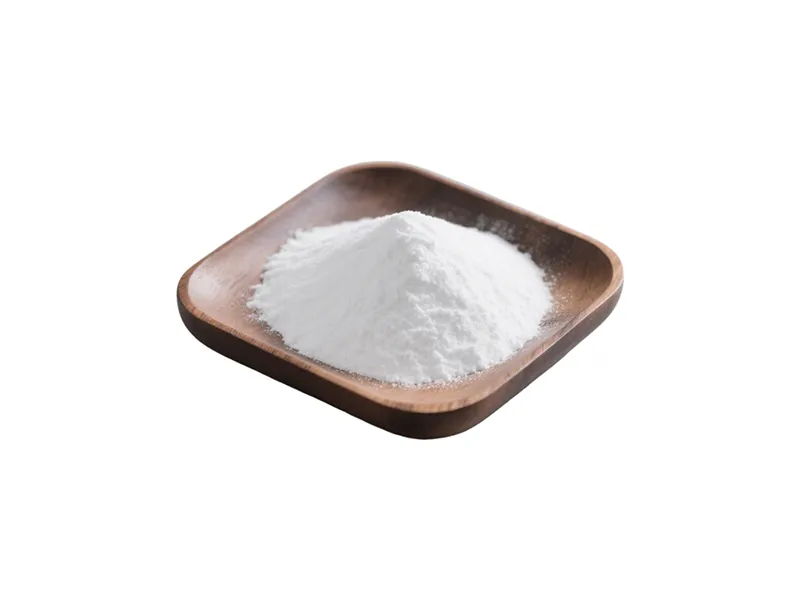
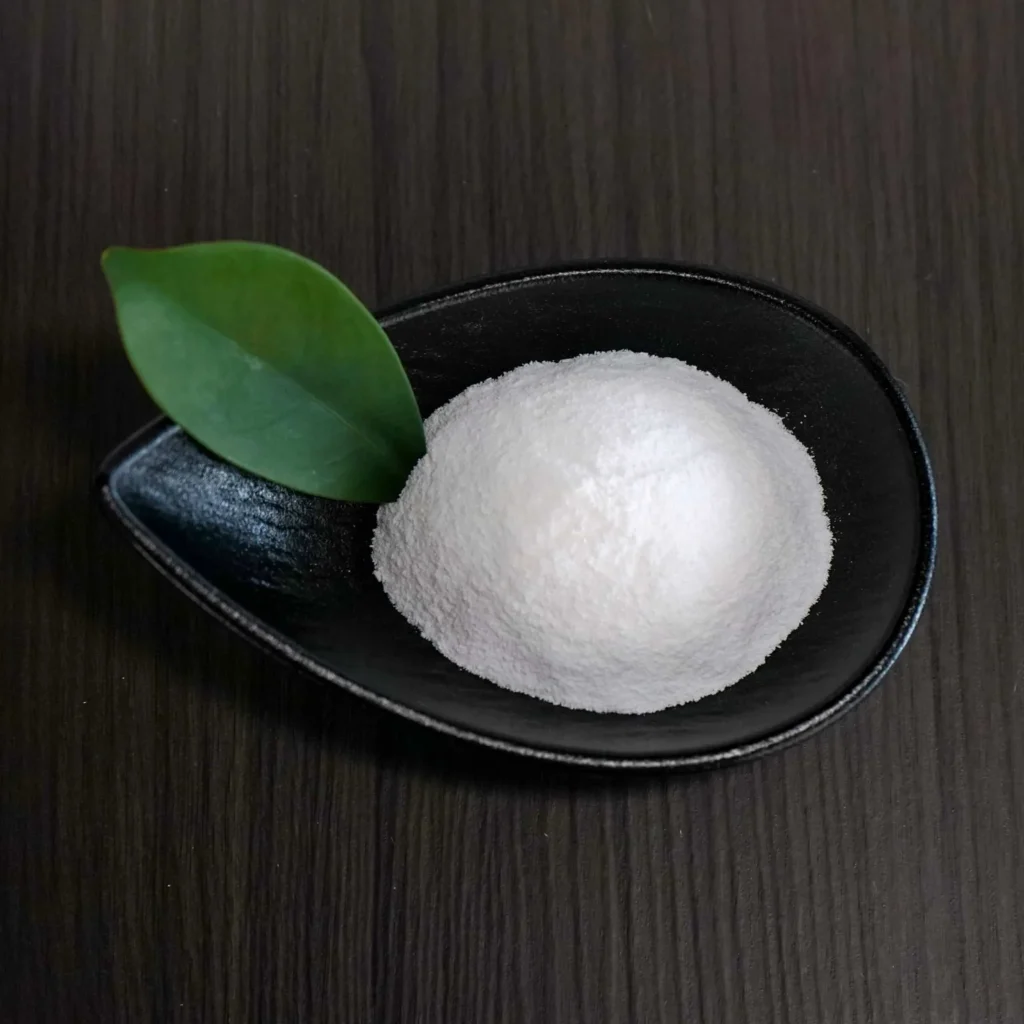
Magnesium citrate is an organic magnesium salt formed by the combination of magnesium ions and citric acid. Its common forms include the anhydrous compound (C₁₂H₁₀Mg₃O₁₄) and the nonahydrate (C₁₂H₁₀Mg₃O₁₄・9H₂O). This white crystalline powder is slightly soluble in water but readily soluble in dilute acids. Valued for its high bioavailability and mild physiological effects, it plays an indispensable role across multiple sectors.
Core Characteristics: A Blend of Efficacy and Gentleness
Compared to other forms of magnesium supplements (such as magnesium oxide), the key advantage of magnesium citrate lies in its excellent absorption rate (approximately 30%-50%), enabling it to elevate bodily magnesium levels more effectively. Concurrently, it possesses good acid-base buffering capacity, acts gently, and is metabolized in the body primarily into bioavailable magnesium ions and naturally occurring citric acid, ensuring a high safety profile.
1. Innovative Applications in the Food Industry
Magnesium citrate has evolved beyond its traditional role as a nutritional fortifier to become a star ingredient in modern food formulations, valued for both its functionality and clean-label appeal.
Nutritional Fortification and Functional Enhancement
Basic Fortification: As a high-quality source of magnesium, it is widely added to sports drinks, fortified dairy products, and infant formula to precisely supplement daily magnesium requirements.
Functional Food Development: It serves as a core raw material in functional products like anti-kidney-stone compound compressed candies and sustained-release magnesium preparations. Its scientific combination with ingredients such as taurine and vitamin C can produce synergistic effects, enhancing the product’s health value.
Excellent Processing Aid Properties
Intelligent Acidity Regulation: In jams, jellies, and carbonated beverages, magnesium citrate works synergistically with citric acid to provide a stable buffer within the pH range of 4.0-5.5. This allows for precise control of product acidity while preventing texture stratification and flavor deterioration caused by sudden pH shifts, achieving the dual goals of stabilizing quality and supplementing nutrition.
A Natural Stabilization Expert: In plant-based protein beverages (e.g., almond milk, walnut milk), magnesium citrate can bind to plant proteins, effectively preventing protein precipitation and fat separation, significantly extending shelf life. Its “naturally derived” attribute aligns better with current consumer demand for clean labels compared to traditional chemical stabilizers.
A Skillful Quality Improver: In baking applications (cakes, cookies, etc.), adding a small amount (0.1%-0.3%) can improve dough extensibility, resulting in a softer, fluffier texture. In meat products (e.g., sausages), it can enhance water retention and reduce cooking loss by adjusting the pH of the meat emulsion, improving product tenderness and yield.
2. Critical Roles in the Medical and Health Field
Magnesium citrate also plays a significant part in clinical settings and daily health management.
Established Medical Uses
Bowel Preparation: As an osmotic laxative, it softens stool and promotes bowel movements by drawing water into the intestines, making it a commonly used agent for colonoscopy preparation.
Correcting Deficiency: It is one of the preferred forms for treating and preventing magnesium deficiency caused by inadequate dietary intake or specific conditions (e.g., diabetes, cardiovascular diseases), effectively raising serum magnesium levels.
Evidence-Supported Health Benefits
Kidney Stone Prevention: By increasing urinary magnesium concentration, it inhibits the formation and aggregation of calcium oxalate crystals. Substantial clinical research confirms that regular long-term supplementation can significantly reduce the risk of recurrent calcium oxalate kidney stones.
Broad Health Support: Existing research suggests that magnesium citrate supplementation may have positive implications for assisting in blood pressure regulation, improving insulin sensitivity, reducing migraine frequency, and alleviating anxiety symptoms. These potential benefits position it as an important adjunct in health management, though further research is needed to validate its efficacy in broader clinical applications.
Summary and Outlook
Magnesium citrate, with its outstanding bioavailability, versatility, and high safety, successfully bridges innovation in the food industry and human health management. In the realm of food, it is an intelligent ingredient that achieves the triple objectives of “nutrition, texture, and stability.” In health, it is an effective tool for addressing deficiency, preventing stones, and supporting overall well-being. As understanding of the relationship between nutrition and health deepens, and as the food industry moves towards more natural and functional directions, the application prospects for magnesium citrate are bound to expand further. Choosing it is not merely selecting an ingredient, but opting for an efficient, gentle, and multifunctional health solution.