Tricalcium Phosphate
- CAS NO: 7758-87-4
- Purity: ≥ 98%
- Place of Origin: Shandong,China
- Classification: Phosphate
- EINECS NO: 231-840-8
- Grade Standar: Food grade
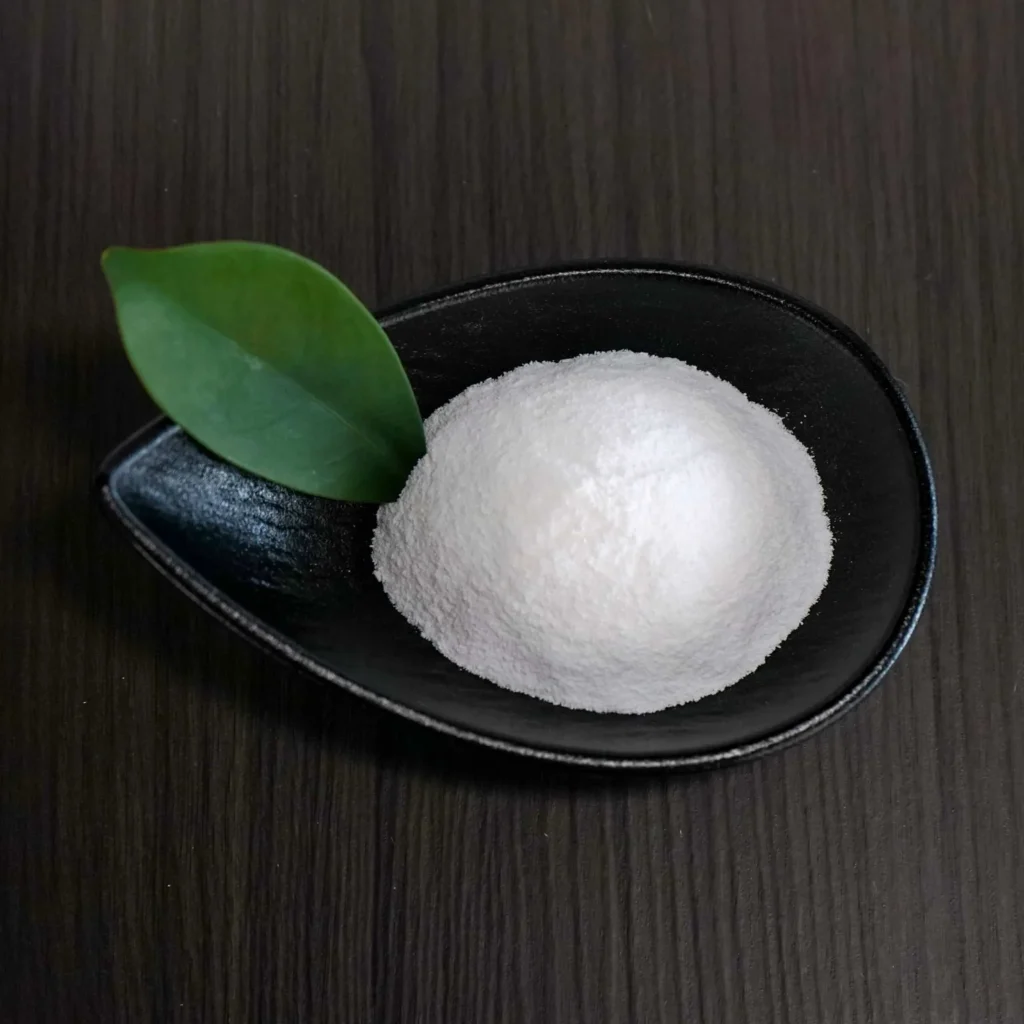
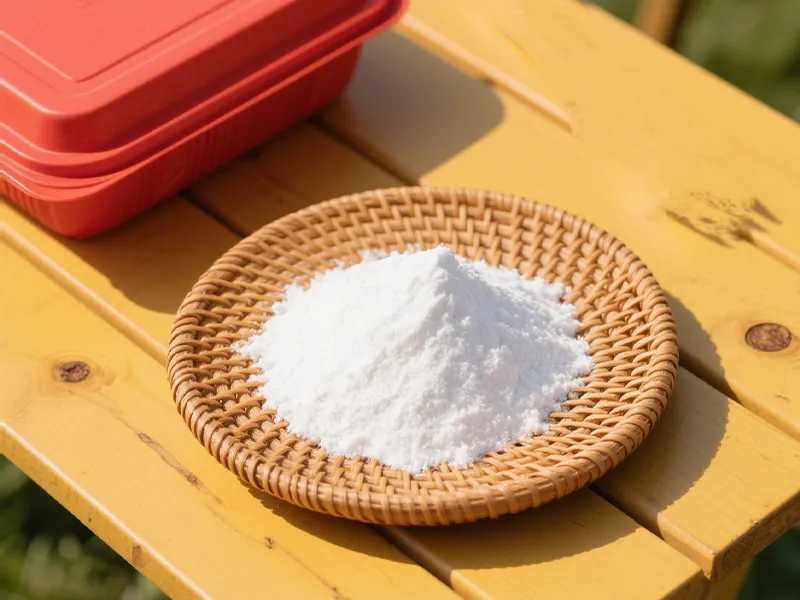
- Appearance: white crystalline powder
- Certificate: HALAL KOSHER ISO
JINBEI Can Provide You With All Food Ingredients!
Tricalcium Phosphate (TCP), with the chemical formula Ca₃(PO₄)₂, is a common inorganic phosphate compound. In its pure form, TCP appears as a white amorphous powder or crystal, odorless and tasteless, safe and non-toxic to humans. It possesses stable physical and chemical properties, is slightly soluble in water, and readily soluble in dilute acids—characteristics that form the foundation for its diverse applications. From the food on our daily tables to medical implants and industrial processes, TCP plays an indispensable role due to its safety, functionality, and biocompatibility.
Tricalcium Phosphate supplier from China

The success of Tricalcium Phosphate is rooted in its comprehensive advantages of inherent safety, stable performance, and wide availability. It bridges the fields of inorganic chemistry and life sciences, food engineering and materials science.
| Item | Specification |
|---|---|
| Packing | 25KG/BAG |
| MOQ | 27 MT |
| Sample | 300g |
| Shelf life | 2 years |
| Selling Units | Single item |
| Gross weight per batch | 1000kg |
Tricalcium Phosphate: A Versatile and Safe Material with Cross-Disciplinary Applications
Core Application Areas
1. Food Industry: From “Physical Aid” to “Nutritional Carrier”
In the food sector, TCP’s applications demonstrate a perfect integration of its physical and nutritional functions:
Anti-caking Agent: As an effective anti-caking agent, TCP is widely added to powdered foods such as milk powder, coffee powder, and seasoning mixes. It effectively adsorbs moisture, preventing particles from caking due to humidity, thereby maintaining a loose, free-flowing powder state that greatly facilitates storage, transportation, and use.
Calcium Nutritional Fortifier: TCP is a generally recognized safe (GRAS) source of dietary calcium. Added to foods like liquid milk, yogurt, and breakfast cereals, it fortifies calcium content. Compared to some highly soluble calcium salts, TCP releases calcium relatively gradually in the body, making it a gentle choice for calcium supplementation.
Stabilizer and pH Regulator: In some processed foods (such as certain canned goods and non-dairy creams), TCP can help stabilize the system structure and regulate pH, contributing to maintaining product texture and extending shelf life.
2. Medical and Healthcare Field: The “Ally” of Bones and the “Framework” of Medicine
TCP holds particularly prominent value in the medical field, spanning both nutritional therapy and biomaterials:
Oral Calcium Supplement: As a primary ingredient in medications for treating and preventing calcium deficiency disorders (such as osteoporosis and rickets), TCP is formulated into tablets, capsules, or granules. Its relatively slow dissolution profile makes it suitable for individuals requiring long-term, steady calcium supplementation, especially the elderly with potentially weaker gastrointestinal function.
Bone Repair Biomaterial: This represents a high-value application for TCP. High-purity medical-grade TCP, especially in its porous ceramic form, exhibits excellent biocompatibility and osteoconductivity. When used in dental fillings, maxillofacial surgery, or orthopedic procedures, it can serve as a scaffold to guide new bone growth. Eventually, it is gradually degraded, replaced, and integrated by the body’s own bone tissue, achieving biological repair with minimal rejection.
Pharmaceutical Excipient: In pharmaceutical manufacturing, TCP is commonly used as a diluent or binder in tablets, improving the compressibility and physical stability of the drug formulation, ensuring accurate and uniform dosage.
3. Industrial and Other Fields: A Functional Raw Material with Broad Applications
Feed Additive: In animal husbandry and aquaculture, TCP is a classic additive for supplementing two key mineral elements: calcium and phosphorus. It effectively promotes the healthy development of animal bones and shells, improving production performance, and is an essential nutritional component in compound feed.
Ceramic and Glass Industry: As a raw material in formulations, the incorporation of TCP can enhance the hardness and gloss of ceramic glazes or improve the chemical stability and thermal properties of specialty glasses.
Environmental Remediation: Leveraging its ability to form stable phosphate precipitates with various heavy metal ions (such as lead and cadmium), TCP is being researched and applied in treating wastewater containing heavy metals, showing potential as an environmental remediation material.
Conclusion and Future Outlook
The success of Tricalcium Phosphate is rooted in its comprehensive advantages of inherent safety, stable performance, and wide availability. It bridges the fields of inorganic chemistry and life sciences, food engineering and materials science. Looking ahead, with advancements in nanotechnology and 3D printing, TCP materials with specific morphologies and structures (e.g., nano-sized, mesoporous) are expected to reveal greater potential in cutting-edge areas such as targeted drug delivery, personalized bone tissue engineering scaffolds, and high-efficiency environmental adsorbents. From strengthening bone health to shaping advanced materials, Tricalcium Phosphate continues to demonstrate how a fundamental compound, through scientific understanding and application, can provide solid and multifaceted support for improving human quality of life and driving technological progress.
Technical Specifications
| Parameter | Specification |
|---|---|
| Chemical Formula | C₄H₆O₆ |
| Appearance | White crystalline powder |
| Assay | ≥ 99.5% |
| Specific Rotation | +12.0° to +12.8° |
| Solubility (20°C) | 133 g/100mL in water |
| Heavy Metals | ≤ 10 ppm |
| Loss on Drying | ≤ 0.5% |
Quality & Regulatory Profile
Certifications & Standards
Food Grade: FCC, JECFA, EU compliance
Pharmaceutical Grade: USP, EP compliance available
Natural Status: Suitable for natural claims in key markets
Quality Systems: ISO 9001, FSSC 22000 certified
Safety & Compliance
GRAS Status: Generally Recognized as Safe
Global Approvals: Compliant with international regulations
Documentation: Comprehensive technical dossier available
Why Choose Our L(+)Tartaric Acid?
Quality Commitment
Consistent high purity and performance
Rigorous quality control and full traceability
Specialized packaging for optimal preservation
Technical Support
Application-specific formulation guidance
Stability and compatibility studies
Regulatory compliance assistance
Supply Chain Excellence
Reliable global supply network
Flexible packaging options
Technical customer service
JINBEI Products
Satisfy all needs
JINBEI BLOG
We are committed to being your trusted information partner, continuously sharing practical blog posts, timely industry news, and forward-looking new product information. We will accompany you every step of the way in the additive industry with our thoughtful content.
Preservatives – Sodium Benzoate
Expanded Information & Key Considerations: Common Applications:Sodium benzoate is widely used in acidic foods and beverages, such as: Why Use […]

An Introduction to the Food Applications…
Aspartame is a high-intensity artificial sweetener that has become one of the most widely used sugar substitutes in the global […]
Citric Acid and Its Derivatives as…
1. Overview of Food Additives Food additives are natural or synthetic substances added to food to improve its color, flavor, […]