When reading the ingredient list on many processed foods, you may come across a name that sounds very “chemical”—Sodium Carbonate. Its chemical formula is Na₂CO₃, and it is also sometimes known as “soda ash.” While the name may seem unfamiliar, it plays an indispensable role in the food industry and even in our own kitchens.
1. What Is It?
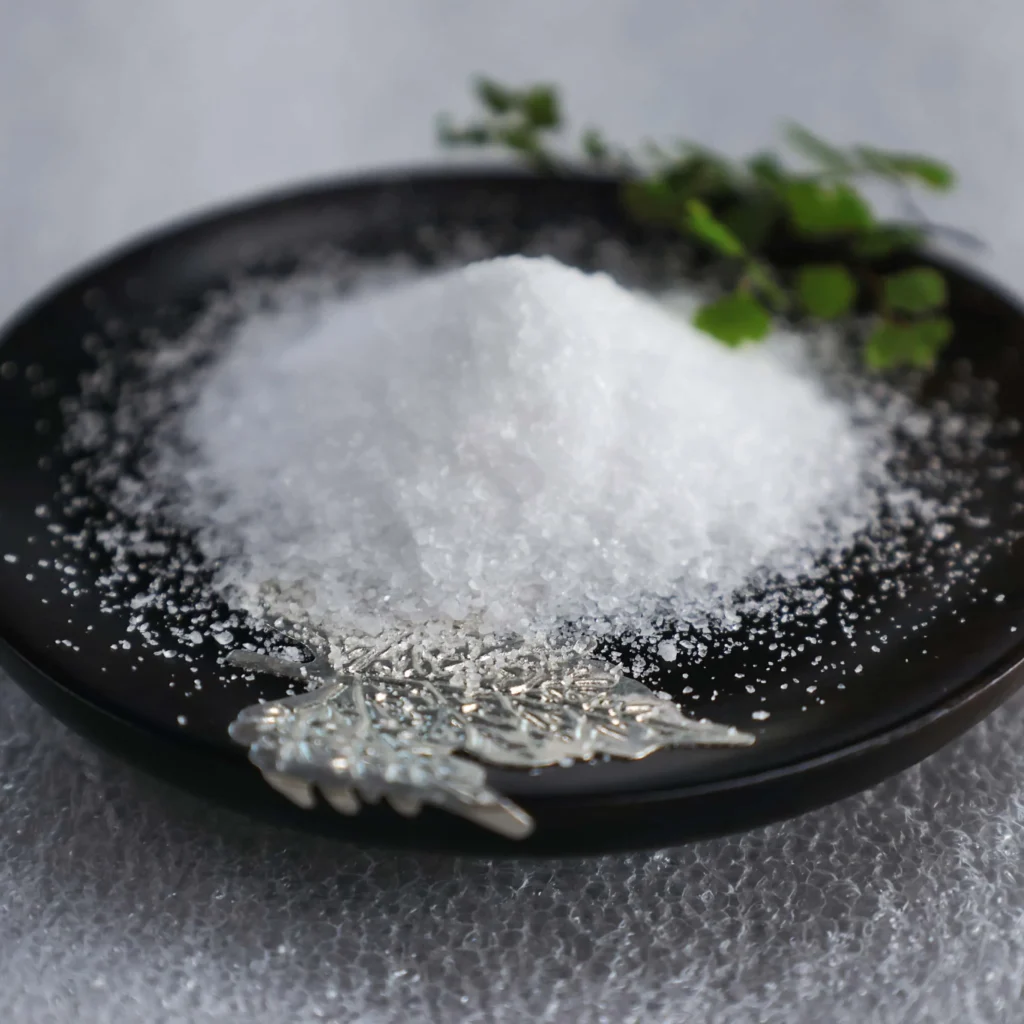
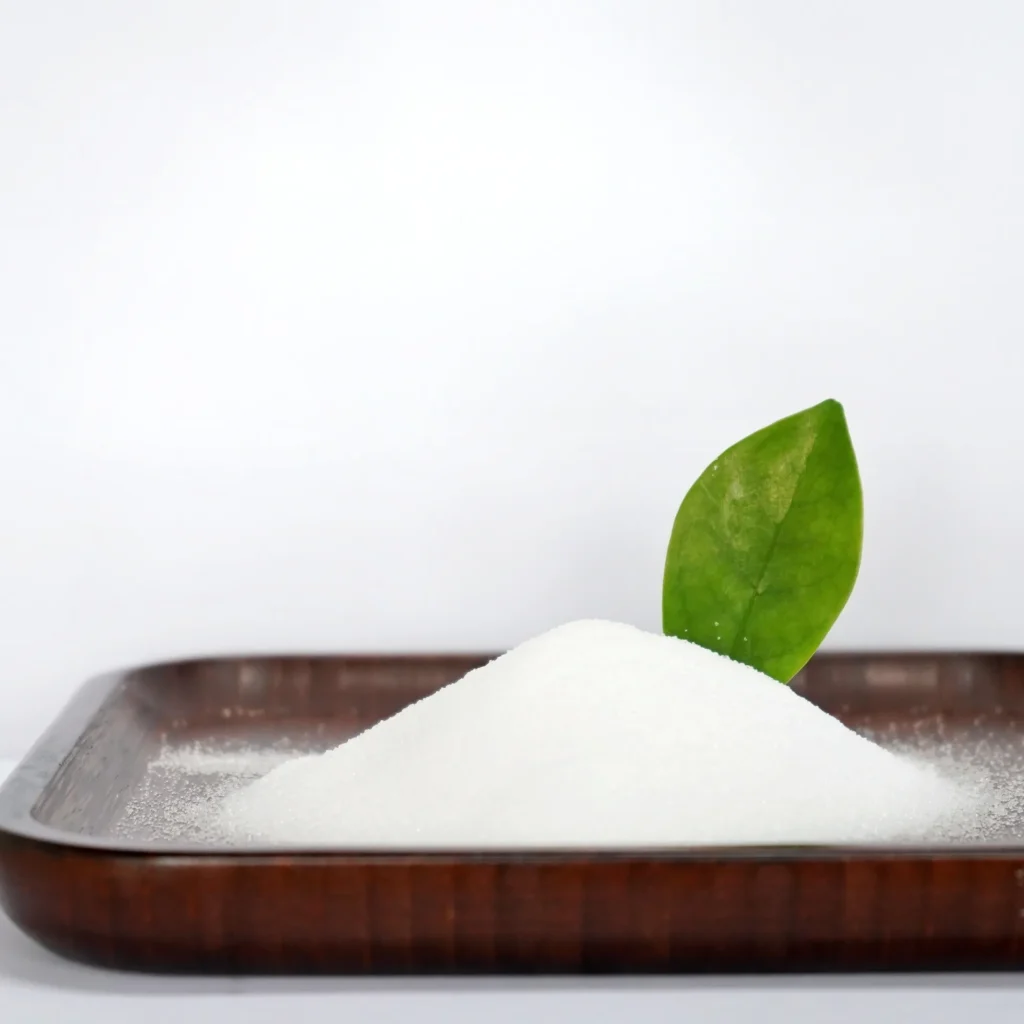
Sodium carbonate is an inorganic salt, typically appearing as a white powder or crystals. It is highly soluble in water, and its aqueous solution is strongly alkaline.
It is found naturally in some mineral deposits or salt lakes. Industrially, it is primarily mass-produced via the “Solvay process.” It is worth noting that its close relative, sodium bicarbonate (NaHCO₃), which is the familiar baking soda, can produce sodium carbonate when heated or reacted with acid, though it is less alkaline.
2. Applications and Functions in Food
As a versatile food additive, its primary functions include:
Neutralizing Agent & pH Regulator
Chocolate and Cocoa Products: In chocolate production, sodium carbonate is used to neutralize the natural acids present in cocoa beans. This not only improves the chocolate’s flavor, making it milder and more robust, but also darkens its color, making it more visually appealing.
Cereal Products: When making ramen, alkaline zongzi (sticky rice dumplings), or pasta, adding a small amount of sodium carbonate increases the dough’s toughness and elasticity, giving the product a distinctive yellow color and a unique flavor.
Leavening Agent
Sodium carbonate is a key component in many compound leavening agents (such as baking powder). When mixed with an acid and exposed to water or heat, it undergoes a chemical reaction that produces carbon dioxide gas. It is these gas bubbles that make pastries, cookies, and fried dough sticks light and crispy.
Processing Aid
3. Safety and Regulation
The safety of sodium carbonate is widely recognized by major global food safety authorities.
International Status: The Joint FAO/WHO Expert Committee on Food Additives (JECFA) classifies it as a GRAS (Generally Recognized As Safe) substance, considering it safe when used within established limits.
Labeling: In ingredient lists, it is usually identified as “Sodium Carbonate” or by the international code E500(ii).
The use of any food additive must follow the principles of “use as needed” and “minimum required dosage.” As long as manufacturers strictly adhere to the nationally prescribed usage scope and limits, consumers do not need to worry about its safety.
4. Beyond the Kitchen: More Than Just Food
The uses of sodium carbonate extend far beyond the food sector. It is also an important industrial raw material, widely used in:
Glass Manufacturing: A primary component in glass production.
Detergents: Acts as a builder to enhance cleaning efficiency.
Water Treatment: Used to adjust the pH of water.
Conclusion
Sodium carbonate is a food additive with a long history, well-defined functions, and a high safety profile. From the chocolate we crave to the light bread we enjoy daily, it works silently behind the scenes. As consumers, understanding these “scientific names” on ingredient labels allows us to view processed foods more rationally, enabling us to make informed choices while enjoying the convenience and delicious flavors offered by modern food technology.